
Bay Window Insulation
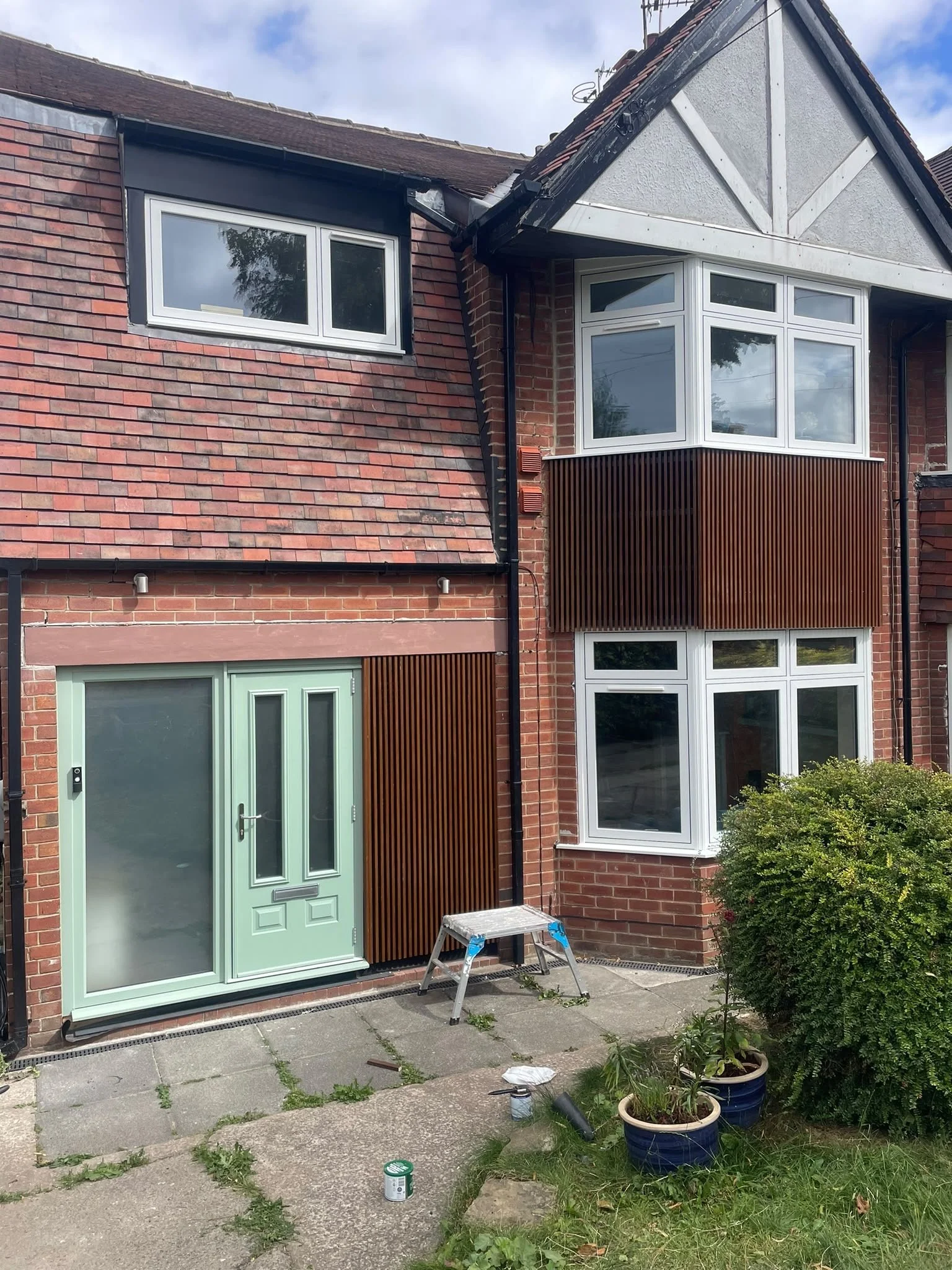
Your bay window doesn’t need to be the coldest part of your home. Our approach ensures it stays warm, dry and draught-free, whilst enhancing the look and feel and includes:
✔ British-grown hemp insulation: breathable and moisture safe
✔ Clay tiles, timber and cork cladding to match your home
✔ Installation from the outside to ensure minimal disruption
✔ All in one external service
Why are bay windows often cold?
Bay windows are typically of a different construction to the rest of the home, meaning they're more susceptible to cold and draughts.
-
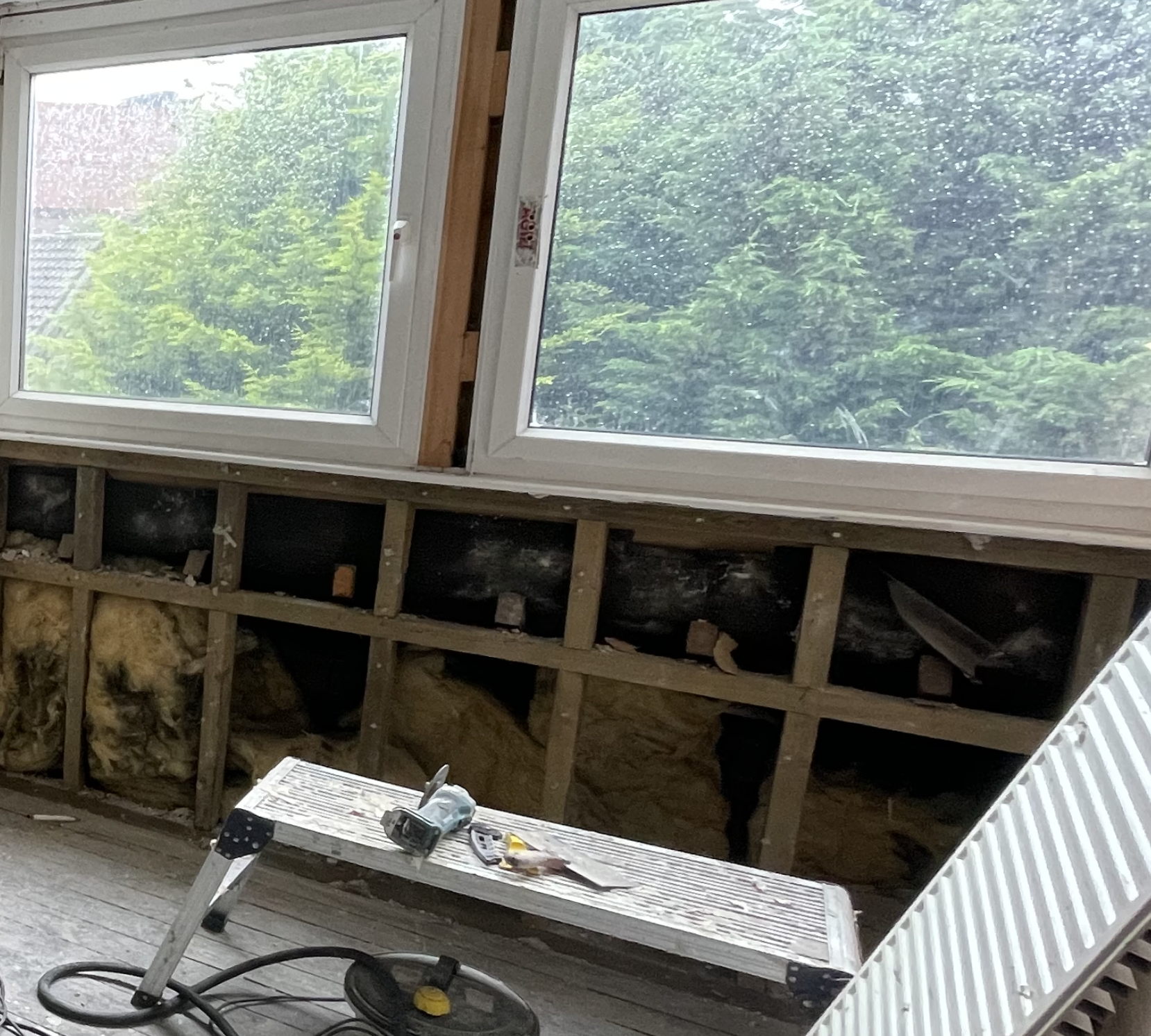
Bay walls are thinner and less insulated than the rest of the house. Even when cavity wall insulation has been installed. Their shape means more junctions (floor, ceiling, corners, multiple window reveals) per square metre. Each junction is a weak spot for heat loss and draughts, especially where a bay spans two storeys.
-
Cold surfaces meeting warm indoor air causes condensation, and bay corners and reveals are often the coldest surfaces in the room. This is a cold fabric problem, and it's also what drives the cracking many older bays develop over time. Warming the fabric raises the surface temperature so can stop the cold and resulting damp.
Note, damp and mould could also be from a leaky window or roof or other issue.
-
Usually, yes. Corners and reveals are easier to detail properly from outside, and there's no disruption inside; no skirting off, no plastering, nothing to move. Internal work still makes sense in some cases (ground-floor brick bay bases, for example), and we'll talk you through the right mix for your property.
How we Help
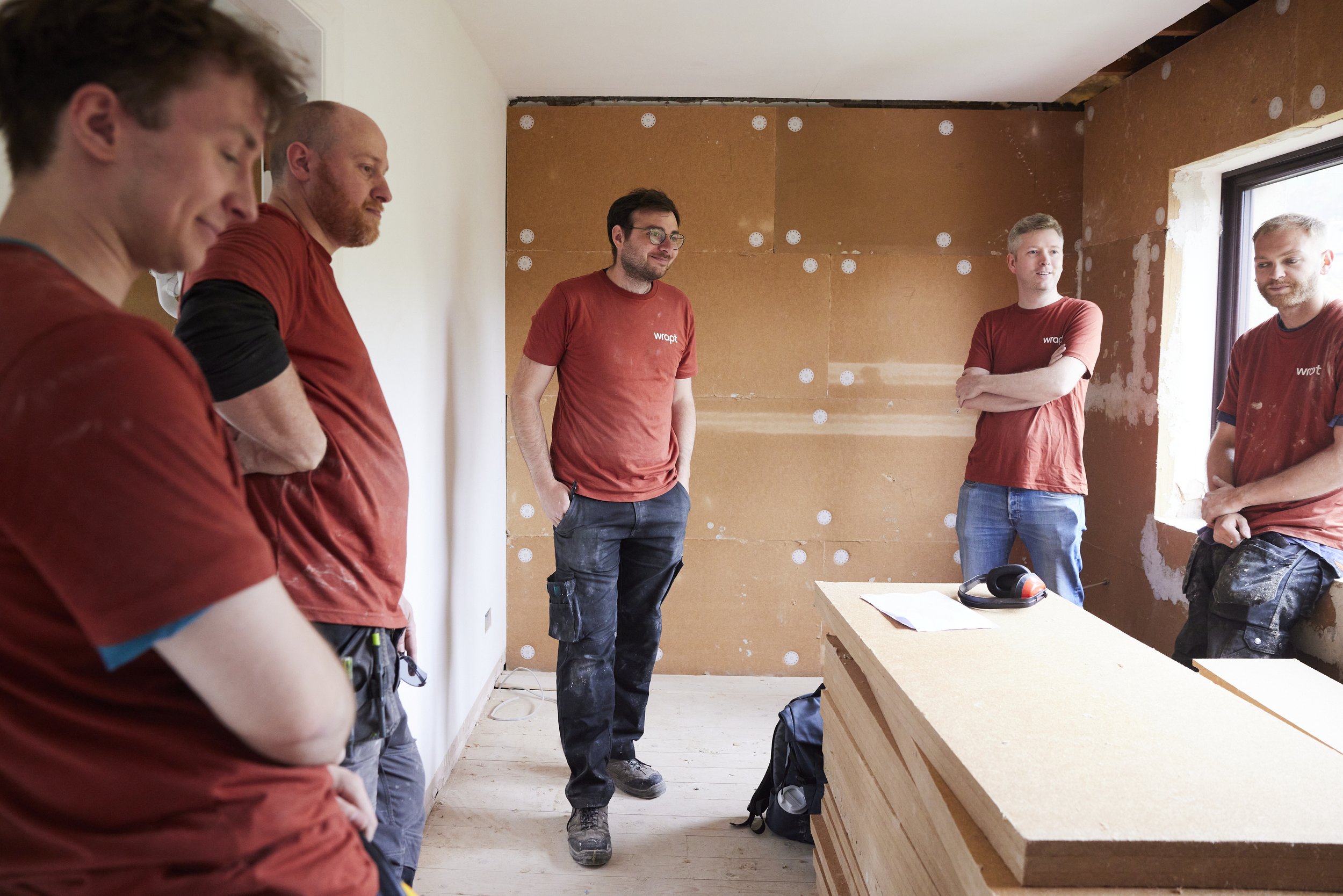
We survey, design and install the whole job, working entirely from the outside so there's low disruption inside your home.
Our team fits British-grown hemp insulation and matches the cladding to your property, then reinstates the cills and detailing so the finish is invisible from inside. Full ownership of the job, no need to coordinate separate trades.
Before
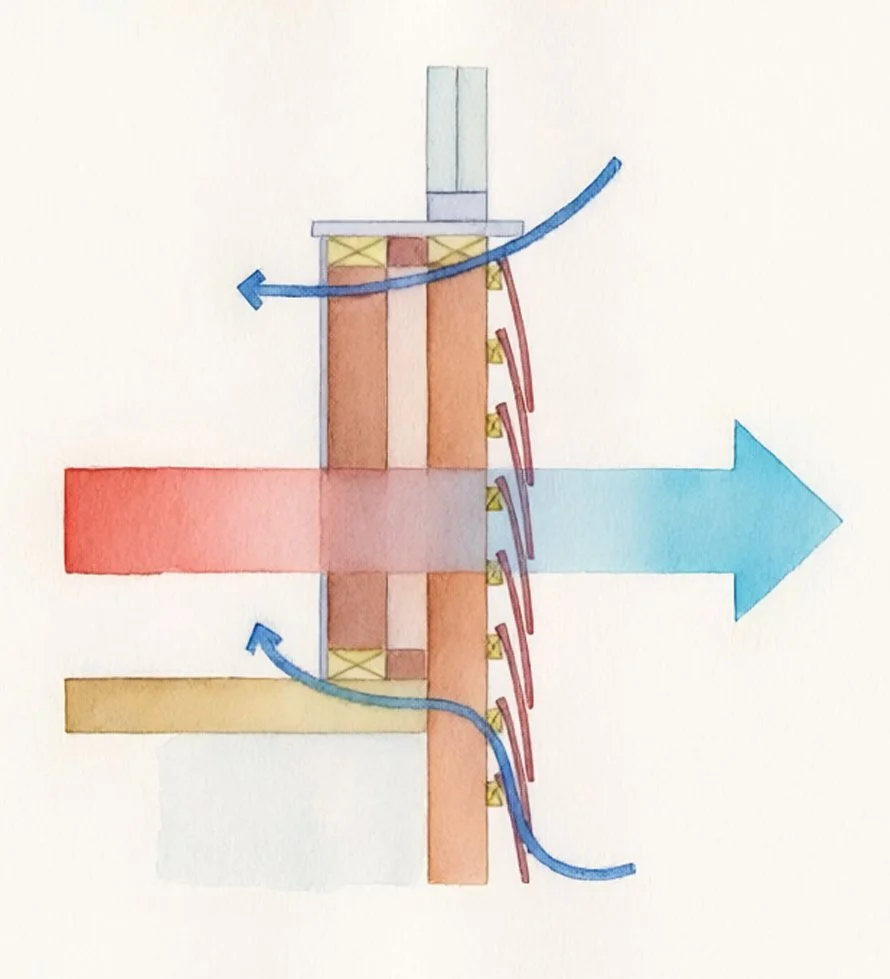
An uninsulated bay window can let heat escape through the walls and floor, while cold air can enter through gaps around the window and create draughts. This can make the room feel colder and less comfortable, while requiring more energy to keep it warm.
After
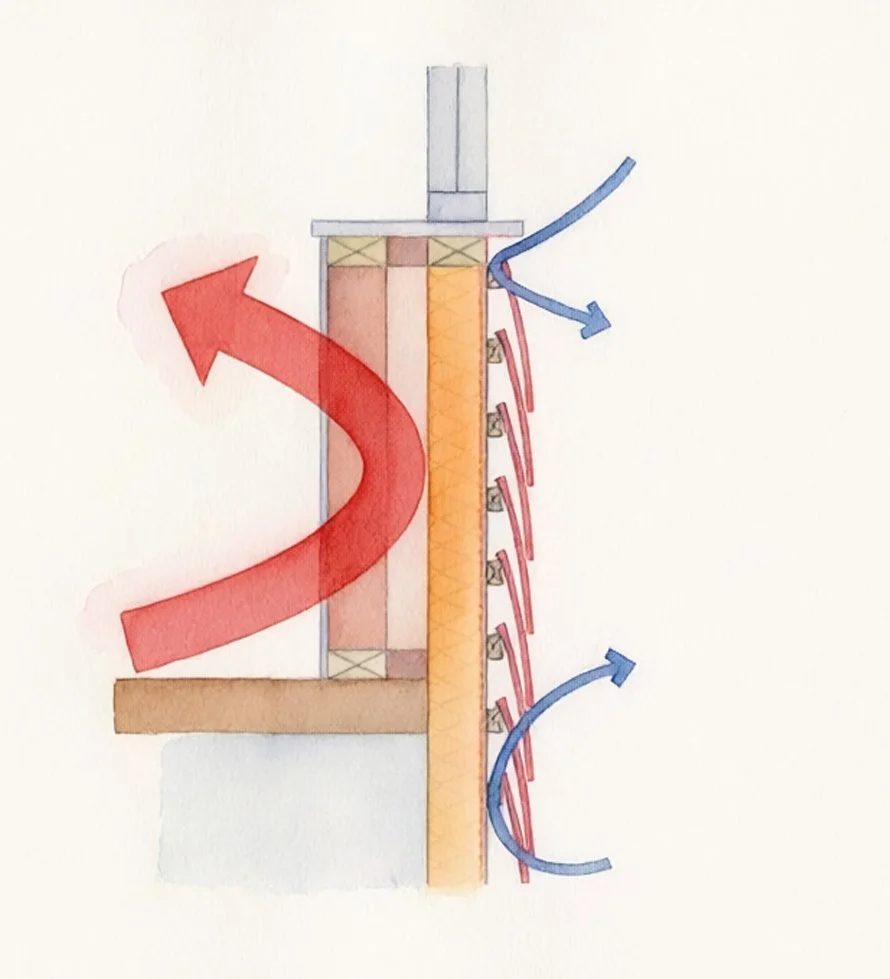
An insulated and airtight bay window helps keep heat inside by reducing heat loss through the walls and floor, while preventing cold draughts from coming in around the gaps. This helps the room stay warmer, more comfortable and easier to heat.
Insulation grown in Yorkshire

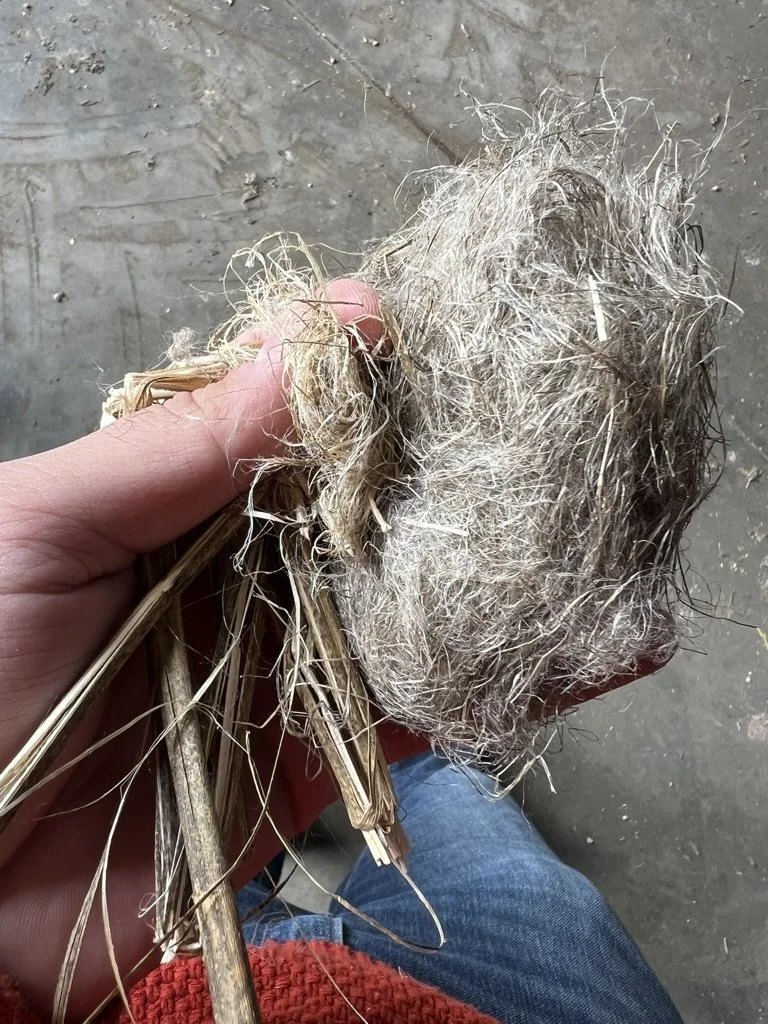
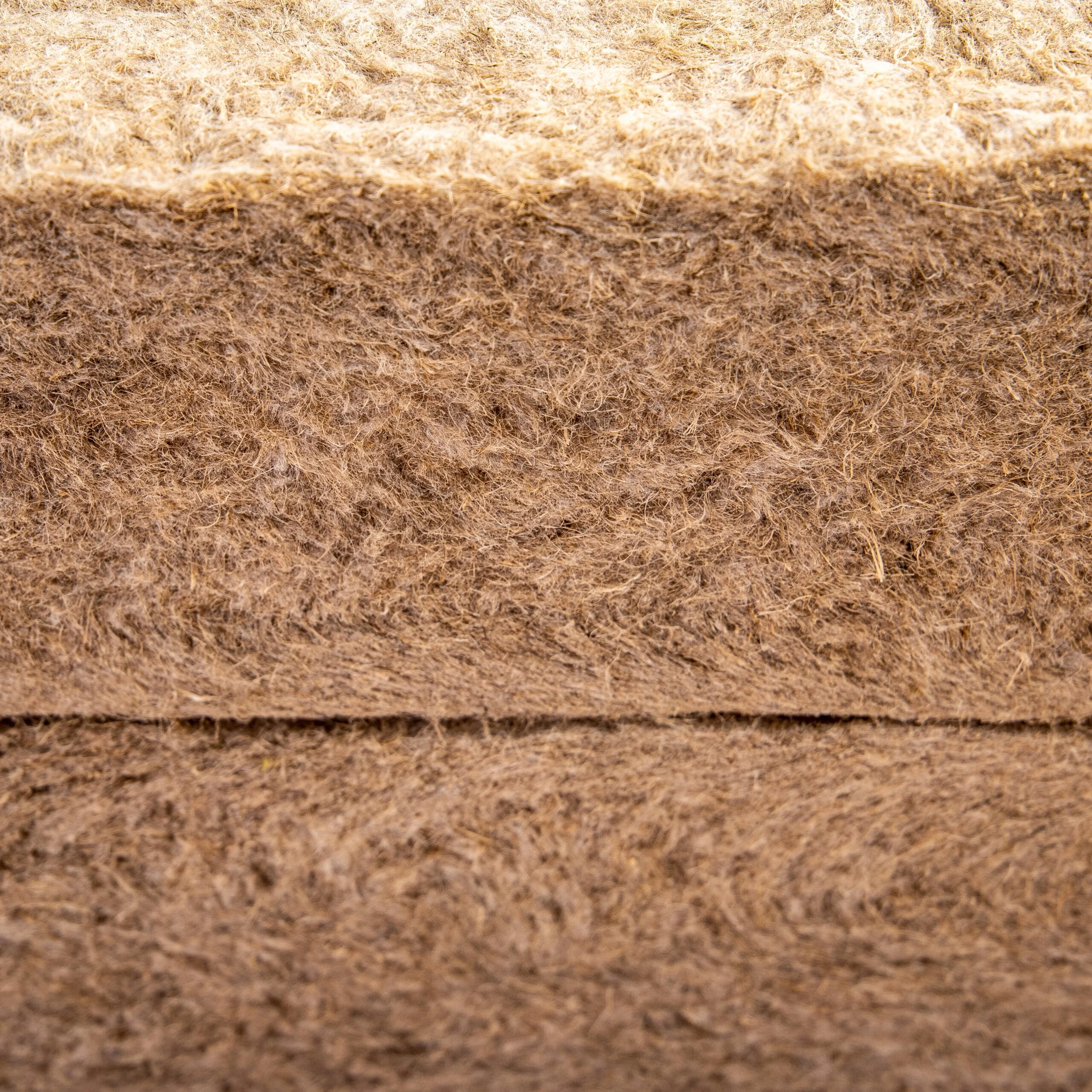
Our hemp is grown and processed here in Yorkshire, cutting transport miles and supporting local farming. Unlike synthetic insulation, it's breathable and moisture-regulating, so it won't trap damp in older solid-wall bays, a common cause of hidden decay after a badly specified retrofit.
Cladding options
Once your bay is insulated it needs a weatherproof outer skin. We offer three finishes, chosen to suit your house style and, where relevant, conservation area requirements:
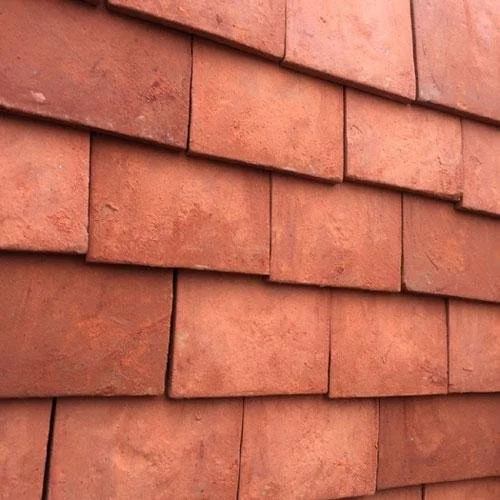
Clay tile hanging
Matches or replaces existing bay tiling. The natural choice for conservation areas and period streets, where you want the improvement invisible from the pavement.
From ~£2,800 installed
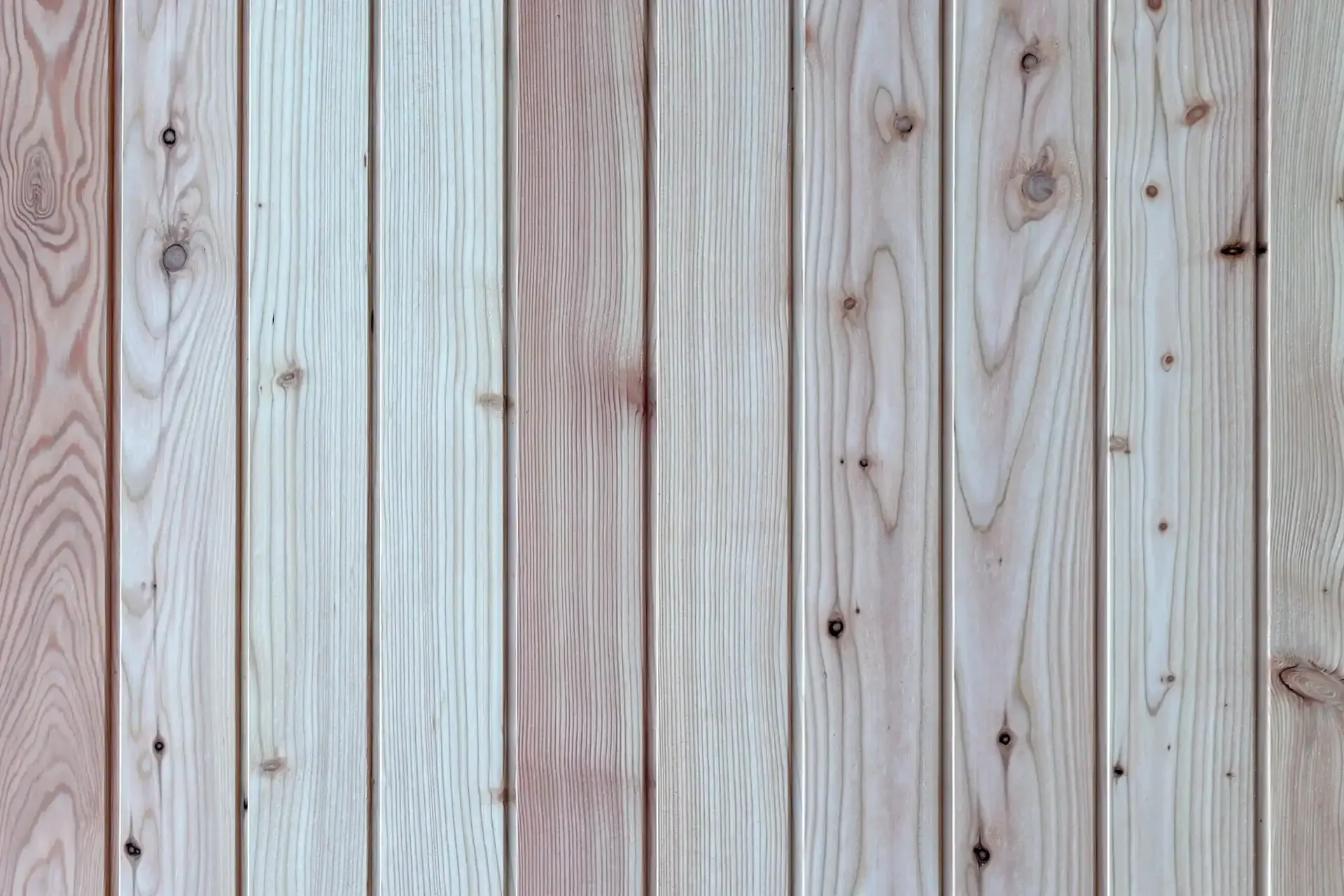
Larch vertical timber
Silvers to a soft grey over two or three seasons, or keep the tone with an oil or stain. Naturally durable, no ongoing maintenance.
From ~£3,400 installed
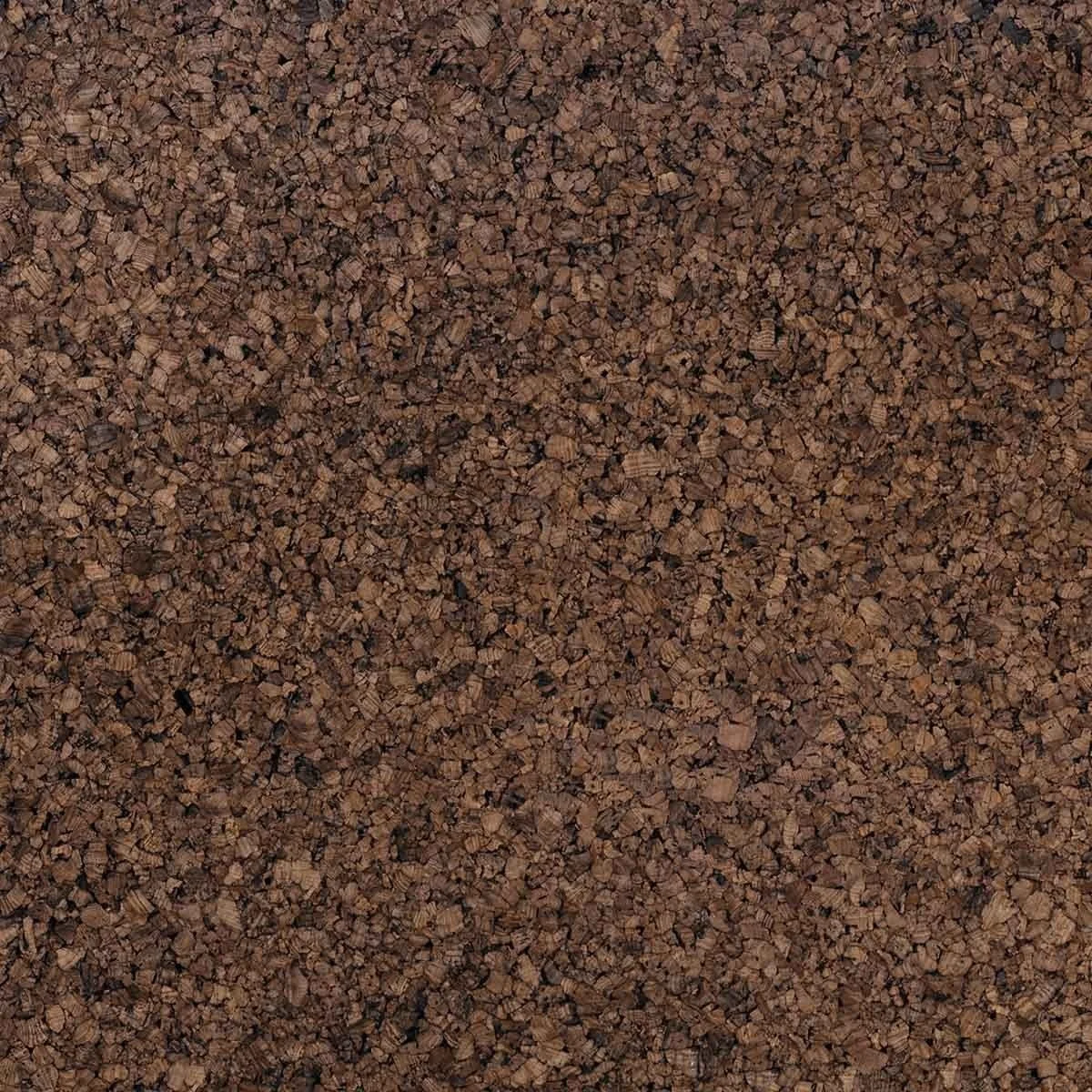
Cork
Warm, textured, and weathers beautifully untreated. Our most distinctive and most sustainable finish.
From ~£4,000 installed
Prices exclude planning or regulatory costs
Benefits
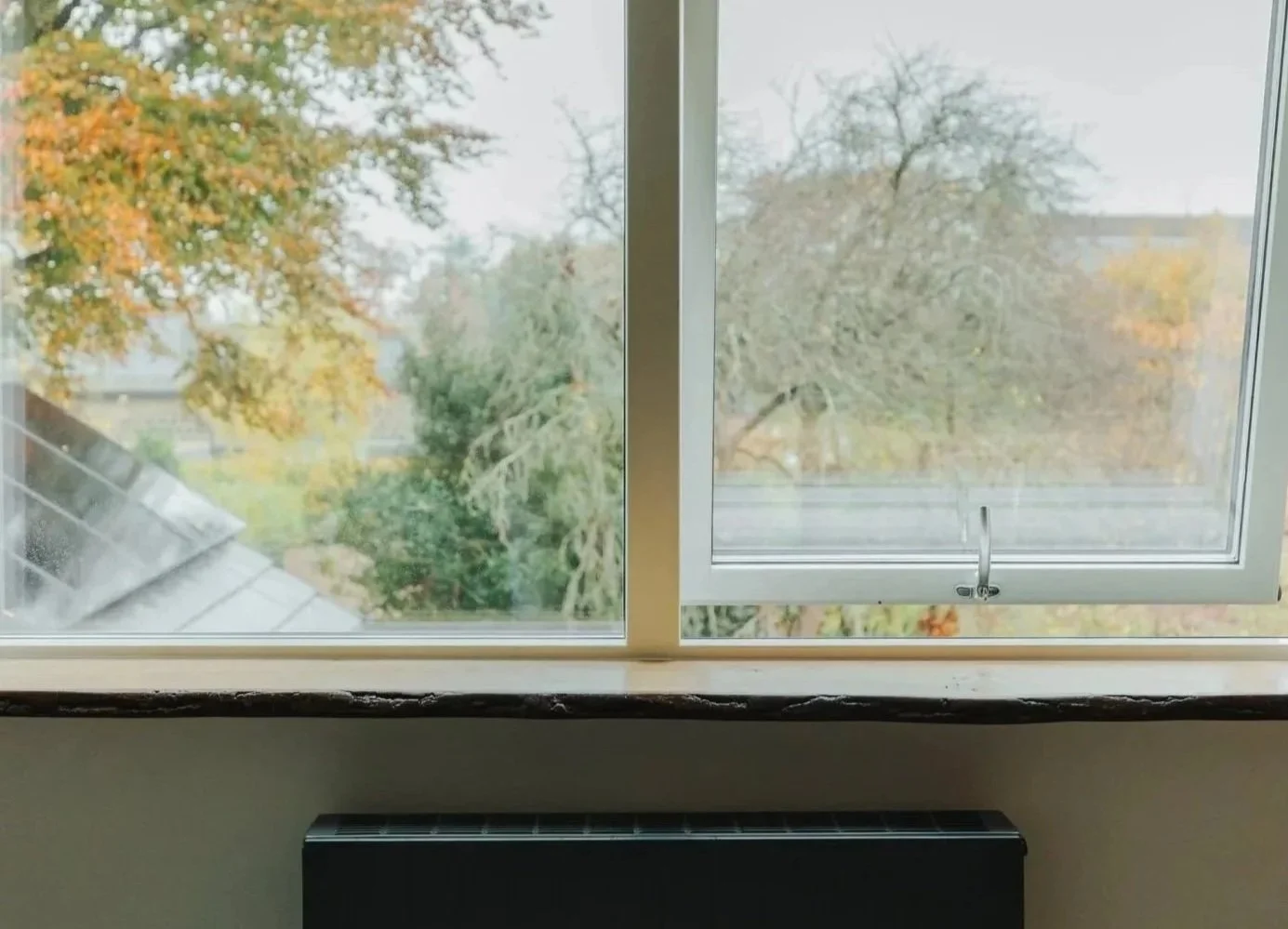
Improved thermal performance – Reduces heat loss in the bay window by around five times, eliminating draughts and helping to keep the whole room warmer in winter
Lower energy bills – Better insulation means less heat is required to maintain a comfortable indoor temperature
Reduced condensation risk – Warmer internal surfaces can help minimise condensation and the associated risk of damp and mould.
FAQs
-
A standard 7m² canted bay with 100mm hemp insulation and clay tile finish starts at around £2,800. Larch cladding starts at approximately £3,400 and cork at approximately £4,000. Larger bays, double-storey bays, complex geometry, or any structural remediation are priced individually after a site visit.
-
External insulation and cladding to a bay window generally falls within permitted development - meaning no planning application is needed if materials are broadly similar to those used on the building already.
Exemptions may apply in conversation areas or for listed buildings. We can check this for you during the enquiry stage
-
None. The entire installation is done from outside. We work from scaffolding or access equipment, so there's no need to move furniture, clear rooms, or have trades walking through your home. The only interior access we'd ever need is to check window reveals or confirm airtightness membrane positions before we start — and that's a brief survey visit, not a working day inside.
-
For some sections of a bay window — for example where the base of the bay is brick at ground floor level — internal treatment can be the right approach, and we carry it out to the same standard as external work.
The process is more involved for the household than an external installation. We'll need access to the room, furniture moved back from the bay, and a clear working area for the duration. The work itself is relatively contained — typically a day or two per room depending on complexity — but there will be some dust and the space will be out of use while we're in it.
We use the same insulation and airtightness membrane specification internally as we do externally. The main practical difference is that the finish is a lined and decorated internal surface rather than an external cladding, and the finished depth reduces the internal reveal slightly.
Because the bay is being opened up anyway, it's also a good moment to think about what else could be improved in the same visit. If there's a radiator positioned in the bay — common in older terraces — we'd recommend upgrading it at this stage. It's also a natural opportunity to consider bespoke storage built into the bay recess: window seating with lift-up lids, shelving, or a fitted seat are all things we can incorporate or coordinate with a joiner at the same time, making the most of what's often an underused part of the room.
Where a job involves both external and internal elements, we coordinate the sequence so the airtightness layer connects properly across the junction.
-
Insulation materials that can't handle moisture can cause problems over time. Hemp is vapour-open, which means moisture can pass through it and disperse rather than accumulating at the cold face of the wall. Foam-based insulants don't offer this. Hemp also performs well thermally (λ=0.038 W/mK) comparable to mineral wool, sequesters carbon during growth, and in our case is grown in North Yorkshire and turned into insulation in the Scottish Borders — so the supply chain is short and traceable. It's a certified, well-proven material, not an experimental one. Hemp also has brilliant flexibility qualities meaning it and squash into tight gaps other insulations can’t manage.
-
We're based in Leeds and currently work across Yorkshire and Lancashire. If you're outside that area and interested in the work, get in touch — we're happy to discuss what's possible.
Get in touch.
If you’re interested in learning more or getting an exact quote for bay window insulation please share an image and rough dimensions and we’ll provide you with an estimate.