Funding Your Home Retrofit: Loans, Mortgages, Grants and Carbon Cashback
Upgrading your home with retrofit measures like insulation, heat pumps, better ventilation or improved glazing can make a huge difference. A well planned retrofit can cut energy bills, improve comfort, and reduce carbon emissions for decades to come.
The biggest challenge for many households is the upfront cost. There are now several ways to fund home energy improvements, depending on your situation and the type of work you are considering.
Below are some of the main routes we are seeing homeowners use.

Grants and Government Support
Grants are one of the most attractive funding routes because they do not need to be repaid.
The most widely available scheme at the moment is the Boiler Upgrade Scheme (BUS), which offers:
Up to £7,500 towards an air or ground source heat pump
Other grants may also be available through ECO4 or local authority programmes. Eligibility often depends on factors such as:
Household income
Council tax band
EPC rating
Property type and location
Because funding rules vary so much, it is usually worth getting tailored advice early on.
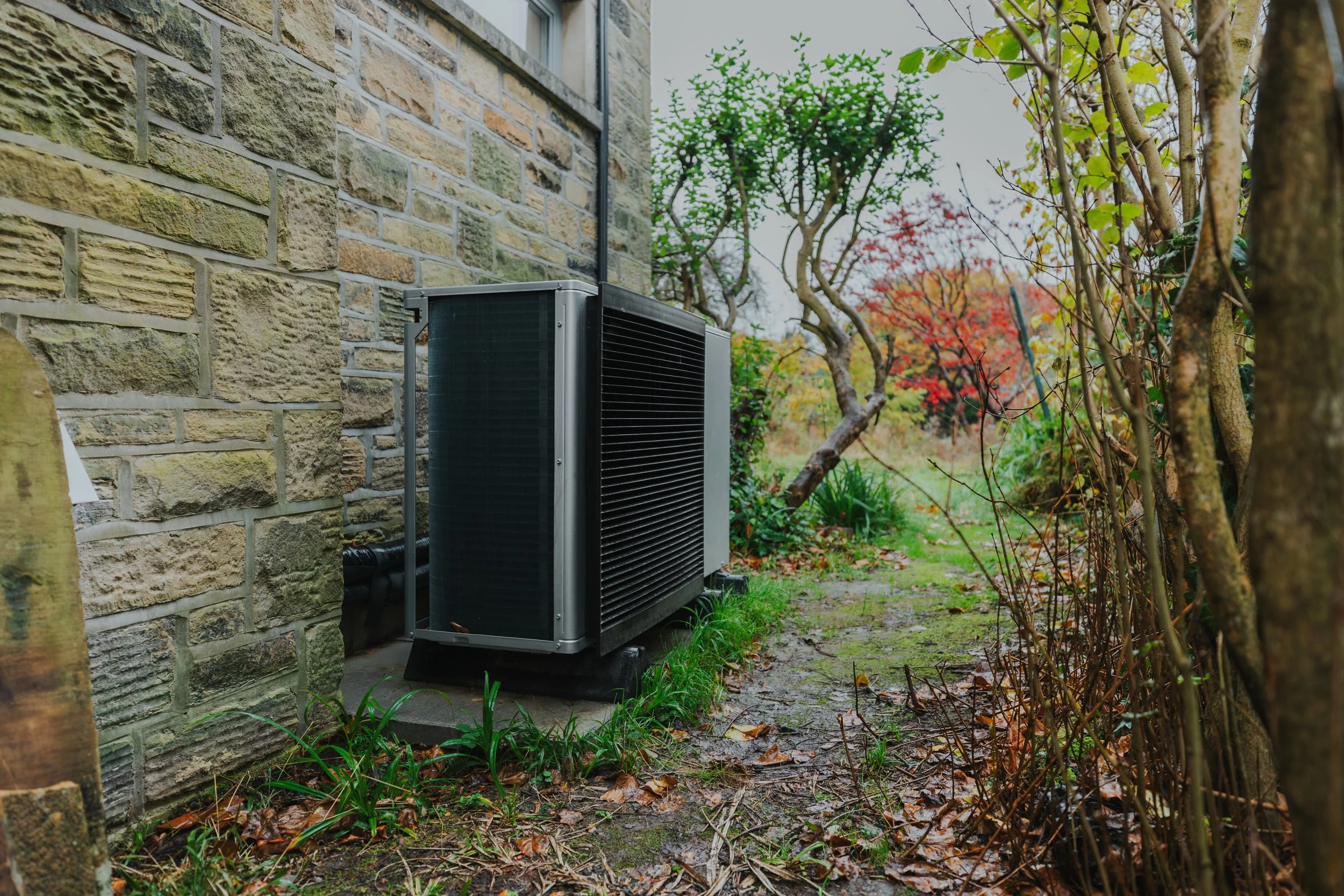
Heat Pump in Ilkley was funded using BUS (Boiler Upgrade Scheme) which contributed towards £7,500 of the costs.
Low Interest Retrofit Loans
One of the simplest ways to fund retrofit is through a low interest loan that spreads the cost over time.
For homeowners in our region, the Home Energy West Yorkshire Loan scheme is a great example. It offers:
Loans from £5,000 to £25,000
Fixed low interest rates (around 3.26%)
Repayment terms up to 10 years
Funding for insulation, heat pumps, solar and more
This can be a practical option for households who want to move forward without paying everything upfront.
https://www.homeenergywestyorks.co.uk/schemes/home-energy-loans/
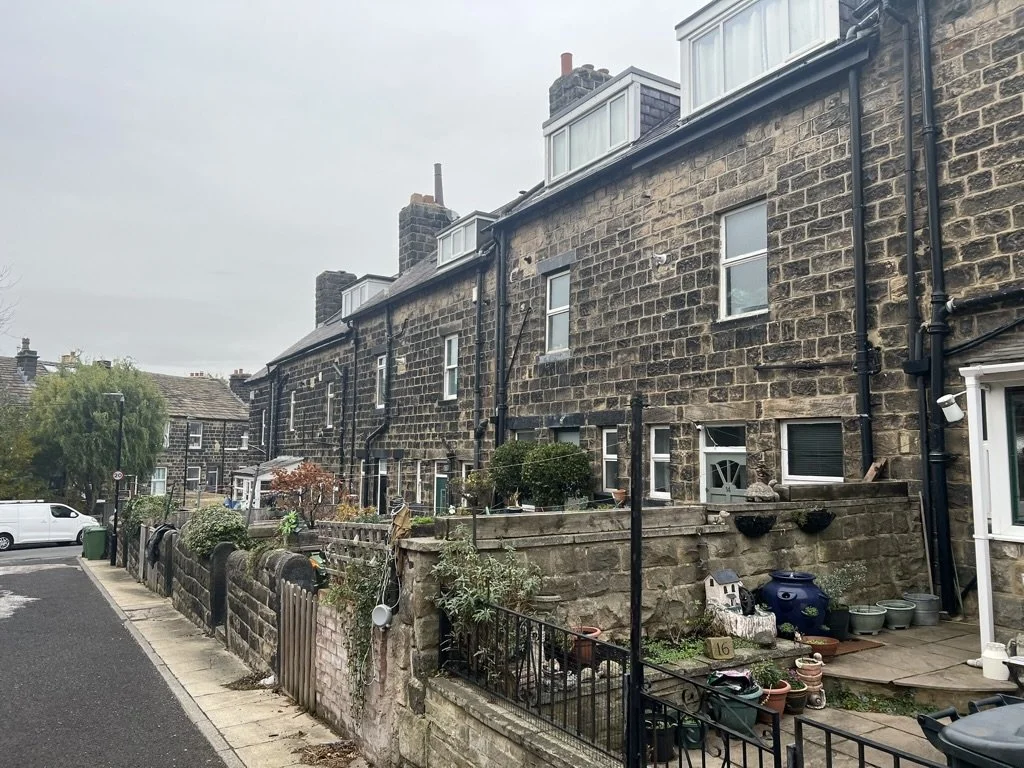
Room in Roof insulation project funded by WYCA Home Energy Loans
Mortgage Extensions and Green Mortgages
For larger retrofit projects, some homeowners choose to fund improvements through their mortgage.
This might include:
Borrowing more when remortgaging
Releasing equity for home upgrades
Exploring newer green mortgage products linked to energy efficiency
Retrofit improvements can increase comfort, reduce running costs, and may improve the long term value of the home. A mortgage advisor can help assess what is affordable and available.
Carbon Credits and Cashback
A newer and growing option is carbon cashback, where homeowners can earn money back based on the carbon savings their retrofit delivers.
Schemes such as Snugg’s Carbon Cashback work by:
Using smart meter data to track energy performance
Verifying carbon reductions over time
Selling carbon credits linked to those savings
Returning a portion of the value back to the homeowner
One important requirement is that a smart meter typically needs to have been installed for around a year, so that savings can be properly measured.
https://www.snugg.com/carbon-cashback-b2b
Finding the Right Mix for Your Home
Many retrofit projects are funded through a combination of support, for example:
A grant alongside a low interest loan
Mortgage borrowing for bigger upgrade packages
Cashback incentives linked to long term carbon savings
The right approach depends on your home, your goals, and what funding you may be eligible for.
At Wrapt Homes, we help homeowners plan high quality upgrades done right, and we can guide you through the funding options available locally and nationally.
If you are considering retrofit and want support exploring the best next steps, get in touch.