Loft Insulation
Loft insulation is one of the quickest, most cost-effective ways to improve comfort and cut heat loss. By topping up insulation at ceiling level, you keep warm air where you want it and reduce draughts and cold spots caused by a chilly roof space.
What buildings are best suited?

Loft insulation is ideal for homes with an unheated loft space above, especially where insulation is thin, patchy, or compressed. It can make a big difference in older properties where roof spaces are often large and heat loss is high.
It’s particularly suited to:
Traditional pitched roofs with a cold loft
Older homes with less than 200mm existing insulation
Homes where the loft hatch is draughty or uninsulated
Renovations where you want high impact fabric measures before heating upgrades

Benefits: Loft Insulation
-
Insulating at loft level reduces heat escaping through the ceiling, helping rooms feel warmer and more consistent.
-
Loft insulation reduces overall heat demand, meaning your heating does not need to work as hard.
-
Warmer ceiling surfaces can reduce cold spots where moisture can collect. Good detailing and ventilation are still essential.
-
Most loft insulation installs are faster and less disruptive than wall upgrades, making it an excellent first step.
-
Loft insulation helps reduce heat demand, which improves the performance of heat pumps and other low temperature heating systems.

Get an instant estimate for your project
Whats involved:
A good loft insulation upgrade is about more than rolling out insulation. The details matter, especially ventilation, loft hatches, and avoiding compression.
1. Survey and depth check
We check what is already there, whether it is dry and in good condition, and how deep it is. The Energy Saving Trust recommends a minimum depth of 270mm for loft insulation in many homes.
2. Top up insulation to the right depth
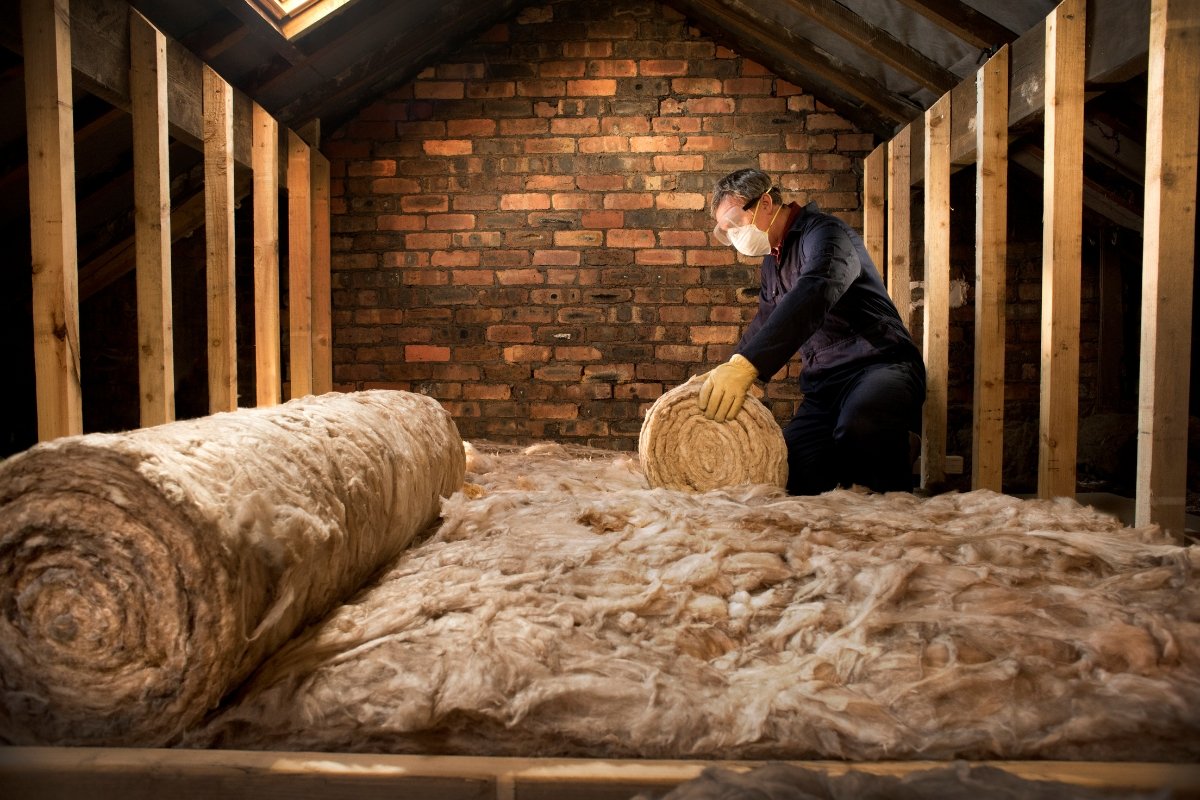
We install insulation between and across ceiling joists, aiming for a consistent layer without gaps or thin spots. Building Regulations guidance commonly references topping up loft insulation to around 250mm when renewing ceilings to a cold loft space (exact thickness depends on material and existing build up).
3. Keep ventilation paths clear
We ensure airflow at the eaves is maintained so the roof space can ventilate correctly. PAS 2035 design guidance also points to calculating loft ventilation in line with BS 5250.
4. Loft hatch and draught sealing
We can upgrade the loft hatch, add insulation above it, and draught seal the perimeter, as this is often a big heat leak.
5. Storage and access options
If you need storage, we can discuss raised loft boarding solutions that avoid squashing insulation, because compressed insulation performs much worse.