Internal Wall Insulation
Breathable internal wall insulation is one of the most impactfull ways to improve comfort and energy efficiency in solid wall homes, using natural, moisture safe materials that help buildings stay warm while still allowing walls to breathe.
What buildings are best suited?

Breathable internal wall insulation is particularly well suited to older solid wall homes, including Victorian and Edwardian terraces, stone cottages, and traditional buildings built with lime mortar.
These properties often lose heat quickly, but they also need insulation systems that allow moisture to move safely through the wall. By using vapour open, natural fibre materials, breathable IWI improves comfort and energy efficiency while supporting the long term health of the building fabric, making it an excellent option for retrofit in heritage and conservation settings.

Benefits
-
Internal wall insulation reduces heat loss through external walls, helping rooms stay warmer for longer. Walls feel less cold to the touch, and temperatures become more even throughout the space.
-
By improving the thermal performance of solid walls, your home needs less heating to stay comfortable. This can reduce energy use and lower running costs, especially during winter.
-
Breathable systems are designed to manage moisture safely. Natural, vapour open materials allow walls to dry out rather than trapping moisture, helping to reduce condensation and the risk of mould.
-
Moisture balanced materials support a healthier indoor environment, particularly important for families, allergy sufferers, or homes with ventilation challenges.
-
A well insulated home is a key first step before technologies like heat pumps. Internal wall insulation helps reduce heat demand, making low carbon heating more effective.
-
Item deNatural fibre materials such as hemp and wood fibre typically have much lower embodied carbon than petrochemical insulation. This makes breathable IWI a strong choice for homeowners wanting a more sustainable retrofit.scription
Get an instant estimate for your project
Whats involved:
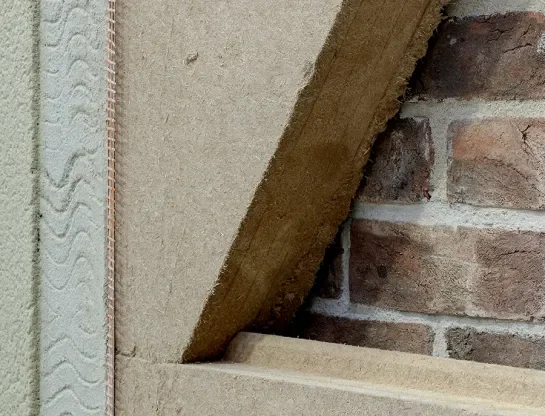
The Warmshell approach uses natural, vapour open materials that work together to improve comfort, energy efficiency, and moisture safety in older solid wall homes. Each layer plays a specific role within the wall build up.
1. Wood Fibre Insulation
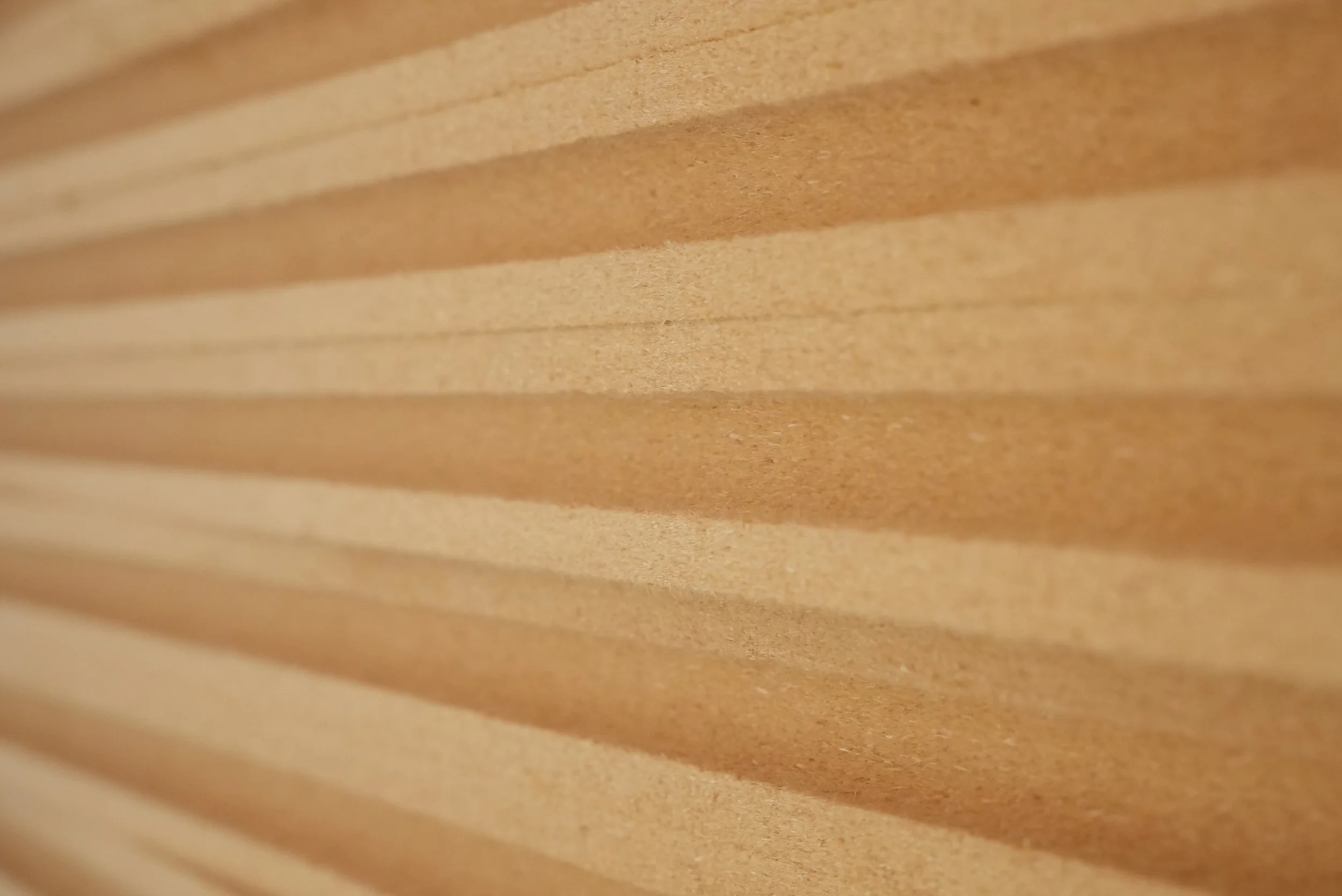
We use 6cm of wood fibre natural, vapour open materials that work together to improve comfort, energy efficiency, and moisture safety in older solid wall homes. Each layer plays a specific role within the wall build up.
2. Airtightness Layer
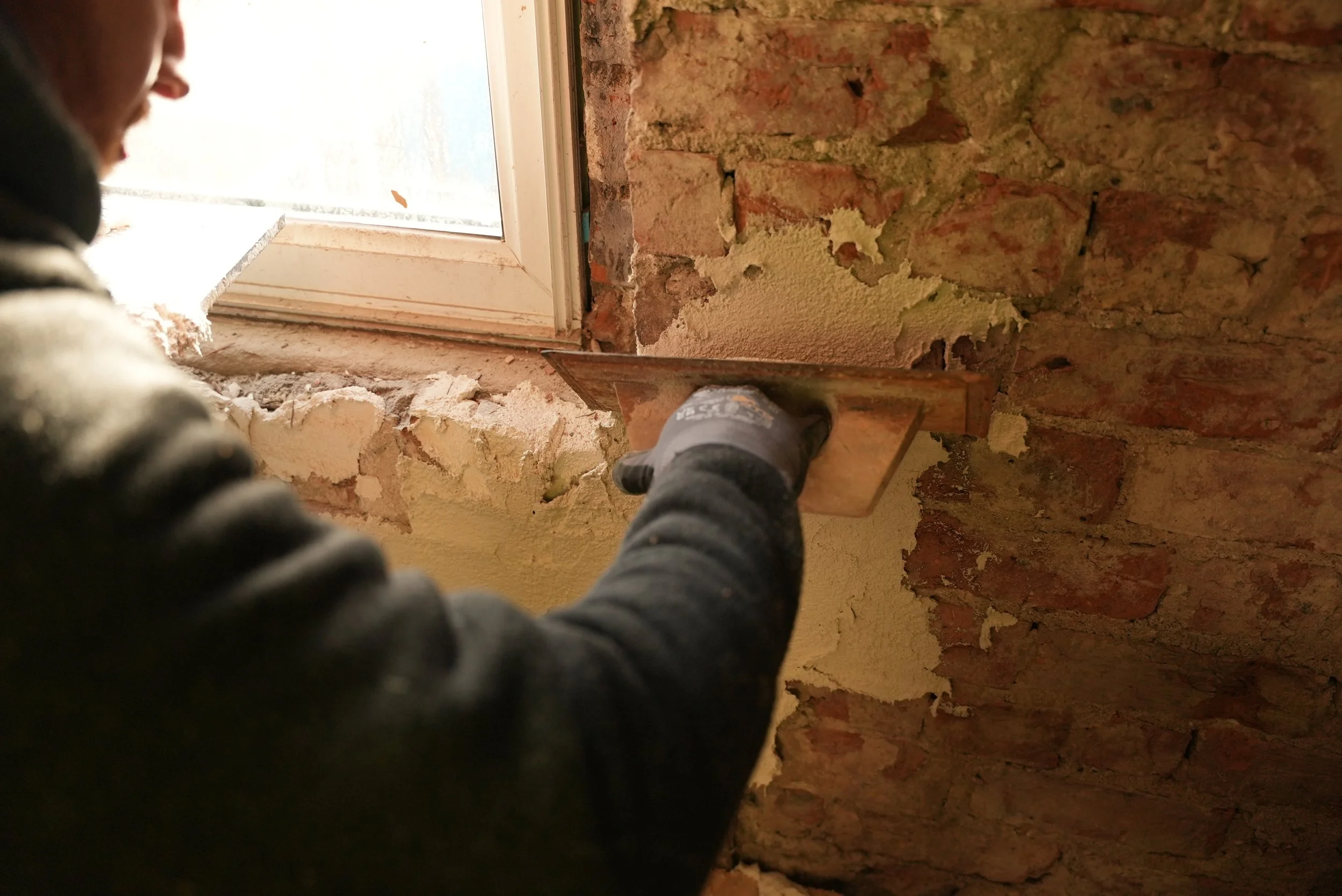
A lime backing coat acts as an airtightness layer helps reduce unwanted draughts and heat loss through gaps and junctions. Unlike plastic vapour barriers, this is robust. Air tightness tapes and paints are used to handle airtightness at intermediate floors and around windows.
3. Lime Plaster Finish
The internal surface is finished with lime based plaster, creating a breathable and durable wall finish. Lime helps regulate indoor humidity, supports moisture movement, and provides a traditional appearance that works especially well in heritage and period homes.
4. Skirting, Sockets, and Details Moved Forwards
Because insulation is added to the inside of the wall, features such as skirting boards, electrical sockets, and window details are carefully moved forwards and reinstated. This ensures a neat finish and allows the upgraded wall to integrate seamlessly with the existing room.

Learn More