Could a Better EPC Rating Increase Your Home’s Value?
For years, Energy Performance Certificates (EPCs) were something most homeowners barely noticed. Buyers focused on location, size, schools and condition, while energy efficiency sat firmly in the background. That may be starting to change.

A recent study by Rightmove analysed 300,000 homes that sold twice over a 15-year period and improved their EPC rating between sales. The research found that homes with better EPC ratings often achieved higher sale prices than would be expected from local house price growth alone.
Their findings suggested the following increases in value:
Moving from EPC D to C: average 3% increase.
Moving from EPC E to C: average 7% increase.
Moving from EPC F to C: average 15% increase.
While these figures should be treated with caution, they suggest energy performance is becoming more relevant to buyers than it once was.
https://www.rightmove.co.uk/guides/content/uploads/2023/07/Rightmove_Greener_Homes_Report_2023.pdf
Why Buyers Are Paying More Attention

The biggest driver is probably energy costs. Over the past few years, homeowners have become far more aware of what it costs to heat a property. A warm, efficient home is no longer just an environmental benefit. It can also mean lower running costs and greater comfort.
Estate agents are increasingly highlighting EPC ratings in listings, and buyers are asking more questions about heating systems, insulation and energy bills during the purchase process.
Don’t Expect EPCs to Transform House Prices Overnight
It’s important not to overstate the impact. A good EPC rating is unlikely to outweigh factors such as location, size or condition. A poorly insulated house in a desirable area will still attract strong demand.
There is also a challenge in separating energy improvements from wider renovation work. Many homes that improve their EPC rating have also benefited from new kitchens, bathrooms or general refurbishment, which can also boost value.
That’s why EPC improvements should not be viewed as a guaranteed route to higher house prices.
The Rise of the Brown Discount
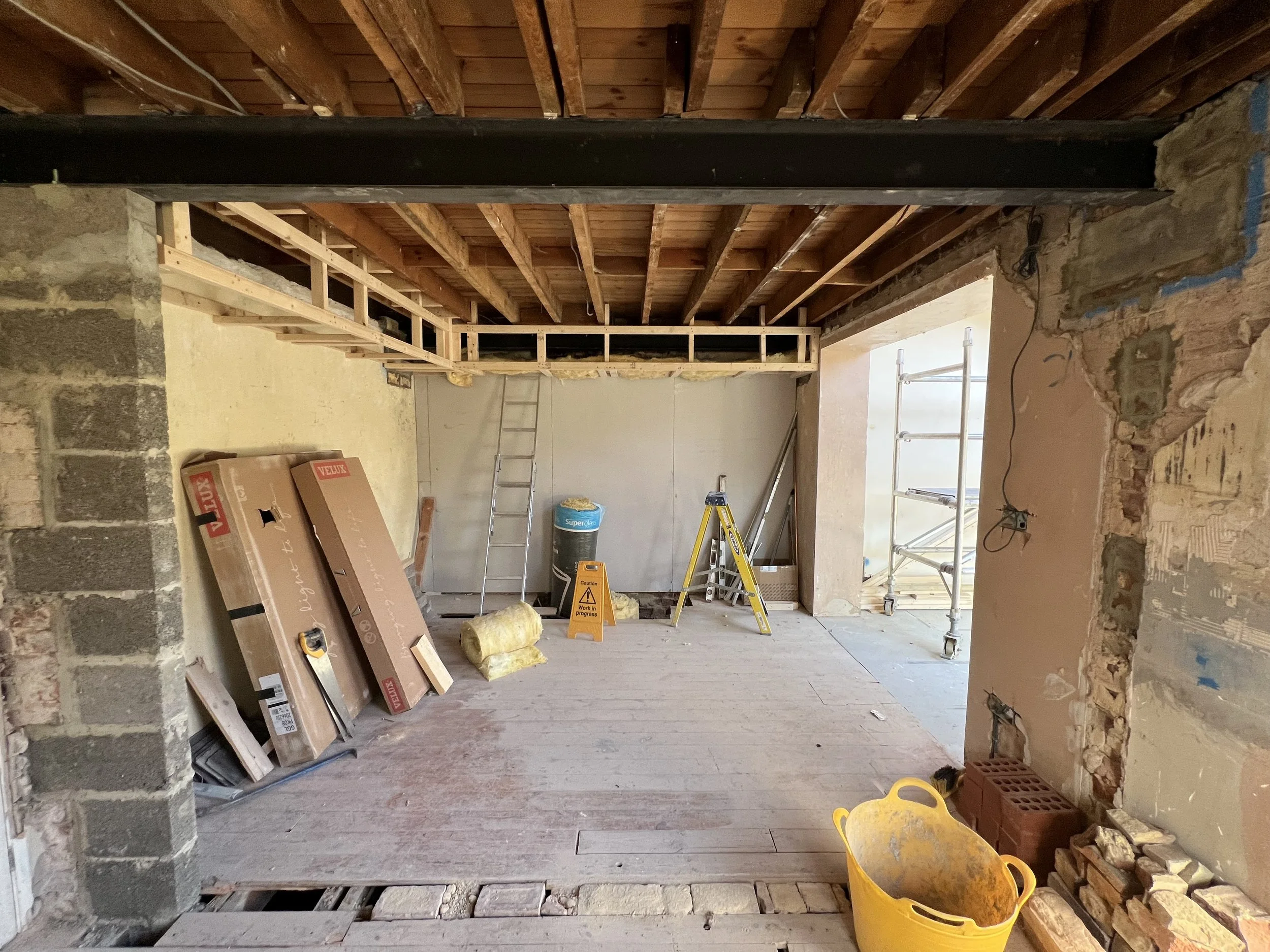
One trend worth watching is what some property analysts call the “brown discount”. Rather than efficient homes becoming dramatically more valuable, inefficient homes may gradually become less attractive.
As buyers become more aware of running costs and future upgrade requirements, they may increasingly factor these costs into their offers.
In other words, an EPC A-C home may not command a huge premium, but an EPC F or G property could face growing pressure on price.
What This Means for Homeowners
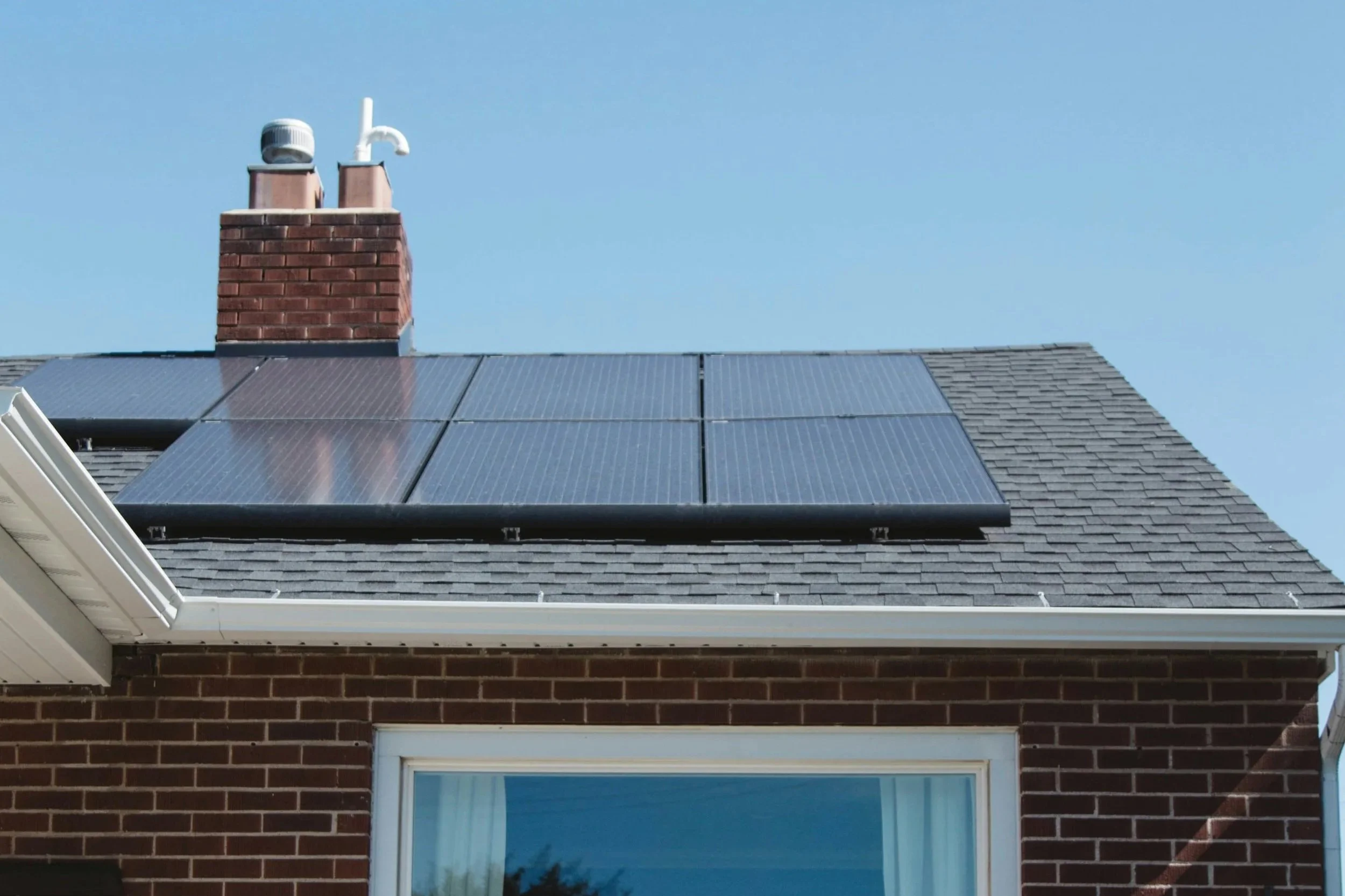
We’re unlikely to see EPC ratings become the single biggest factor in house prices. However, the evidence suggests they are becoming more important than they were five or ten years ago.
The most likely future is a gradual shift towards a housing market where energy-efficient homes are easier to sell, while less efficient properties face greater scrutiny from buyers. For homeowners, that’s another reason to start understanding how their property performs today and what improvements could make the biggest difference in the years ahead.
Source: Rightmove analysis of 300,000 homes sold twice between 2008 and 2023 with improved EPC ratings between sales.