5 Tips That can Make Your Home More Comfortable this Week
When people think about improving home comfort, they often imagine expensive renovations or major building work. But in reality, there are several simple, affordable changes you can make this week that can have a noticeable impact on how your home feels.
Whether your home feels cold in winter, overheats in summer, or just never seems quite right, these small improvements can help you feel more comfortable while also reducing energy waste.
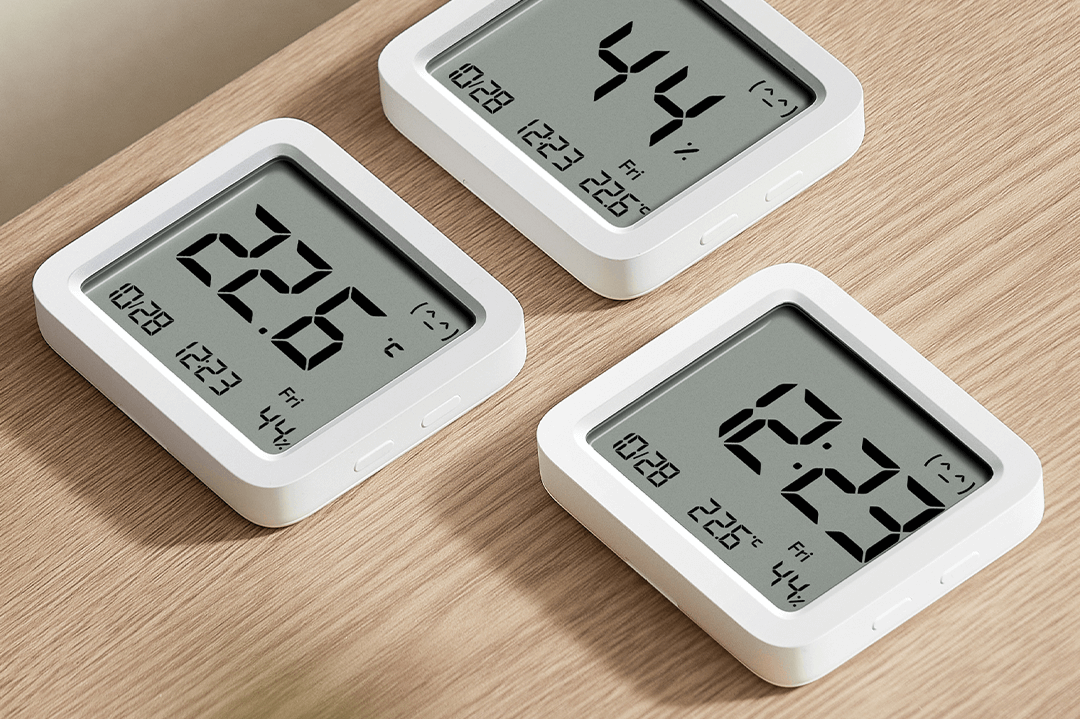
1. Get a Humidity Monitor
One of the simplest and most useful tools you can buy is a small digital humidity monitor.
Many homes feel uncomfortable not just because of temperature, but because of moisture levels. High humidity can make rooms feel clammy, increase condensation, and contribute to mould growth. Low humidity can make a home feel dry and harder to heat comfortably.
Ideally, indoor humidity should sit somewhere around 40 to 60%.
A humidity monitor helps you understand what’s actually happening in your home so you can make better decisions about heating, ventilation, and moisture control. They’re inexpensive, easy to use, and often reveal problems people didn’t realise they had.
If you regularly see humidity above 65%, it may point to ventilation issues or hidden cold surfaces within the home.
2. Draught Proof the Obvious Gaps
Draughts are one of the quickest ways to make a home feel uncomfortable.
Even small gaps around doors, loft hatches, skirting boards, pipe penetrations, or old windows can create cold air movement that makes rooms feel chilly, even when the heating is on.
Simple draught proofing measures can make a surprisingly big difference:
Self-adhesive window and door seals
Brush strips on external doors
Chimney balloons for unused fireplaces
Sealing gaps around pipework
Loft hatch seals
The key thing is controlling unwanted air leakage while still maintaining proper ventilation where it’s needed.
Many homes lose far more heat through uncontrolled draughts than people realise.
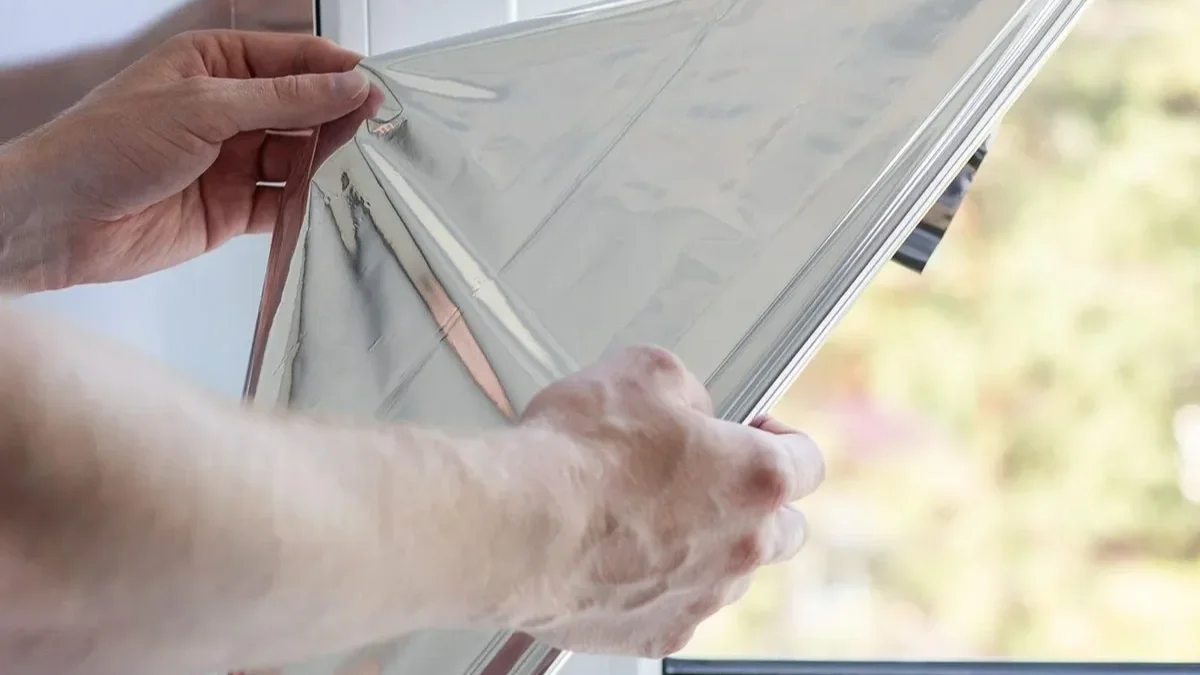
3. Use Reflective Window Film to Reduce Overheating
Comfort isn’t just about staying warm in winter. More homes are now struggling with overheating during sunny periods, especially south-facing rooms, loft conversions, and homes with large areas of glazing.
Reflective glazing film can help reduce solar gain by reflecting some of the sun’s heat before it enters the room.
It’s a relatively low-cost option that can help:
Reduce overheating
Improve comfort in sunny rooms
Reduce glare
Protect furnishings from UV damage
This can be particularly useful in bedrooms or home offices that become uncomfortable during warm weather.
4. Add Radiator Reflective Foil
If you have radiators mounted on external walls, a lot of heat can disappear straight into the wall behind them.
Radiator reflective foil helps bounce heat back into the room instead.
It’s inexpensive, easy to fit, and can slightly improve the effectiveness of your heating system, especially in older homes with solid walls or limited insulation.
It’s not a miracle product, but it’s one of those small improvements that can contribute to a more comfortable home overall.
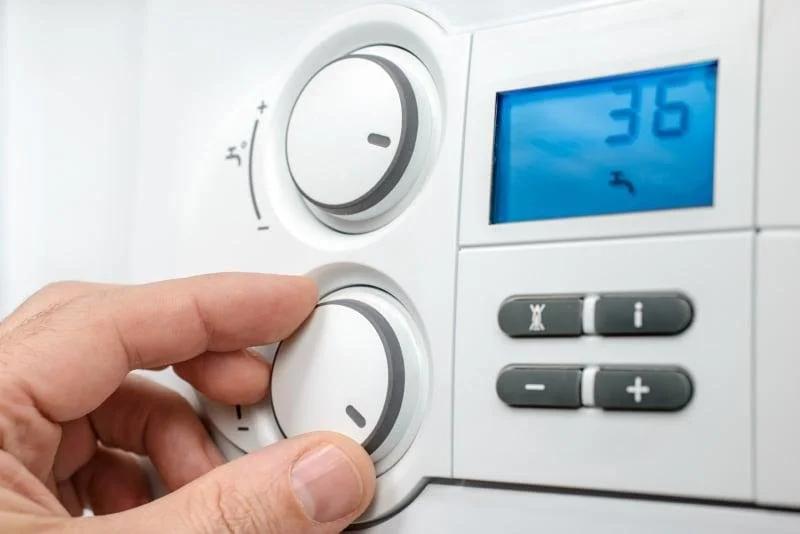
5. Lower Your Boiler Flow Temperature
This is one of the most effective free changes many homeowners can make.
Most gas boilers in the UK are set far hotter than they need to be. By lowering the boiler flow temperature, your heating system can often run more efficiently while still keeping the home comfortable.
For many combi boilers, reducing the heating flow temperature to around 55°C can improve boiler efficiency significantly because it allows the boiler to operate in condensing mode more often.
The result can be:
Lower gas usage
More even heating
Improved comfort
Reduced energy bills
Importantly, this is different from hot water temperature settings, which should remain high enough for hygiene and safety.
Every home is different, so it’s worth adjusting gradually and seeing how your house responds.
Thinking About Bigger Improvements?
If you’re considering more significant upgrades such as insulation, ventilation improvements, solar panels, or a heat pump, it’s important to understand how your whole home works together.
At Wrapt, we offer a Home Energy Action Plan that uses diagnostic testing, thermal imaging, and expert assessment to identify the best improvements for your property.
Rather than generic advice, we help homeowners understand:
Where their home is losing heat
What improvements will make the biggest difference
The right order to carry out upgrades
How to avoid unintended issues like condensation or overheating
If you want to take a more joined-up approach to improving comfort and energy efficiency, get in touch to learn more about the Home Energy Action Plan.