Healthy Houses, Healthy People
What does good ventilation really look like?
Good ventilation is one of the most important things we can do to protect both our health and our homes. It reduces the risk of damp and mould, improves air quality, and helps buildings last longer.
How good ventilation works
Effective whole-house ventilation gently moves outside air:
Into “dry” rooms – living rooms and bedrooms
Out of “wet” rooms – kitchens, bathrooms and utility spaces
This should happen continuously, without uncomfortable draughts, while still ensuring fresh air reaches every part of the home.
Moisture matters
Aim for a healthy humidity level: 40–65%
The goal is to keep moisture in the air at a level that’s healthy for people and buildings.
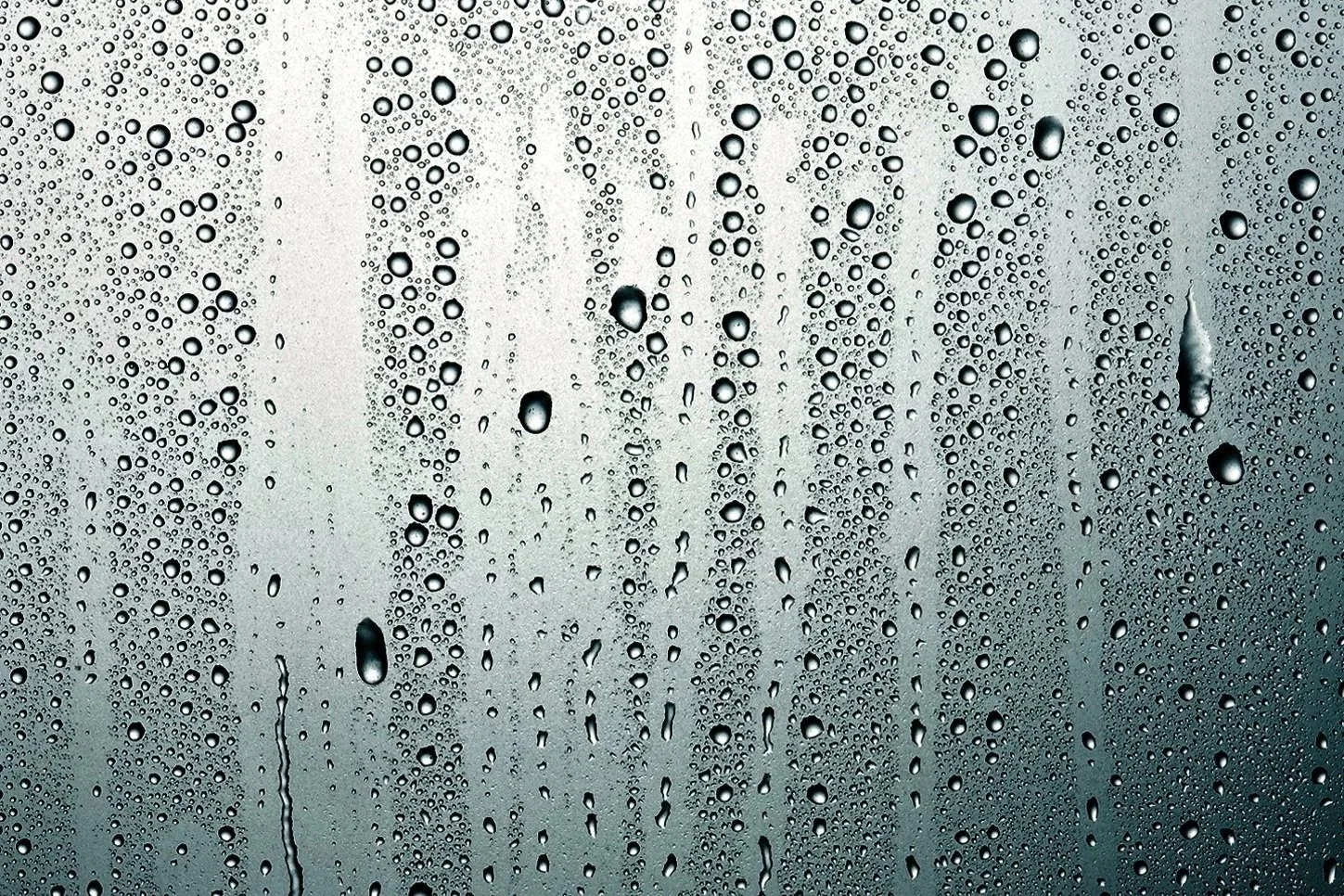
Warm air can hold more moisture. When that warmer moist air hits cold surfaces—like windows or poorly insulated walls—it cools and releases water. That surface moisture is where condensation and mould begin.
That’s why it’s so important to remove moisture at the moment we create it:
Use extract fans when cooking
Use extract fans when showering
Ensure you ventilate well when drying clothes inside
In the UK, with our mild and often damp weather, this can be challenging. But good ventilation is still the most effective way to manage humidity and reduce mould.
Why standard ventilation often underperforms
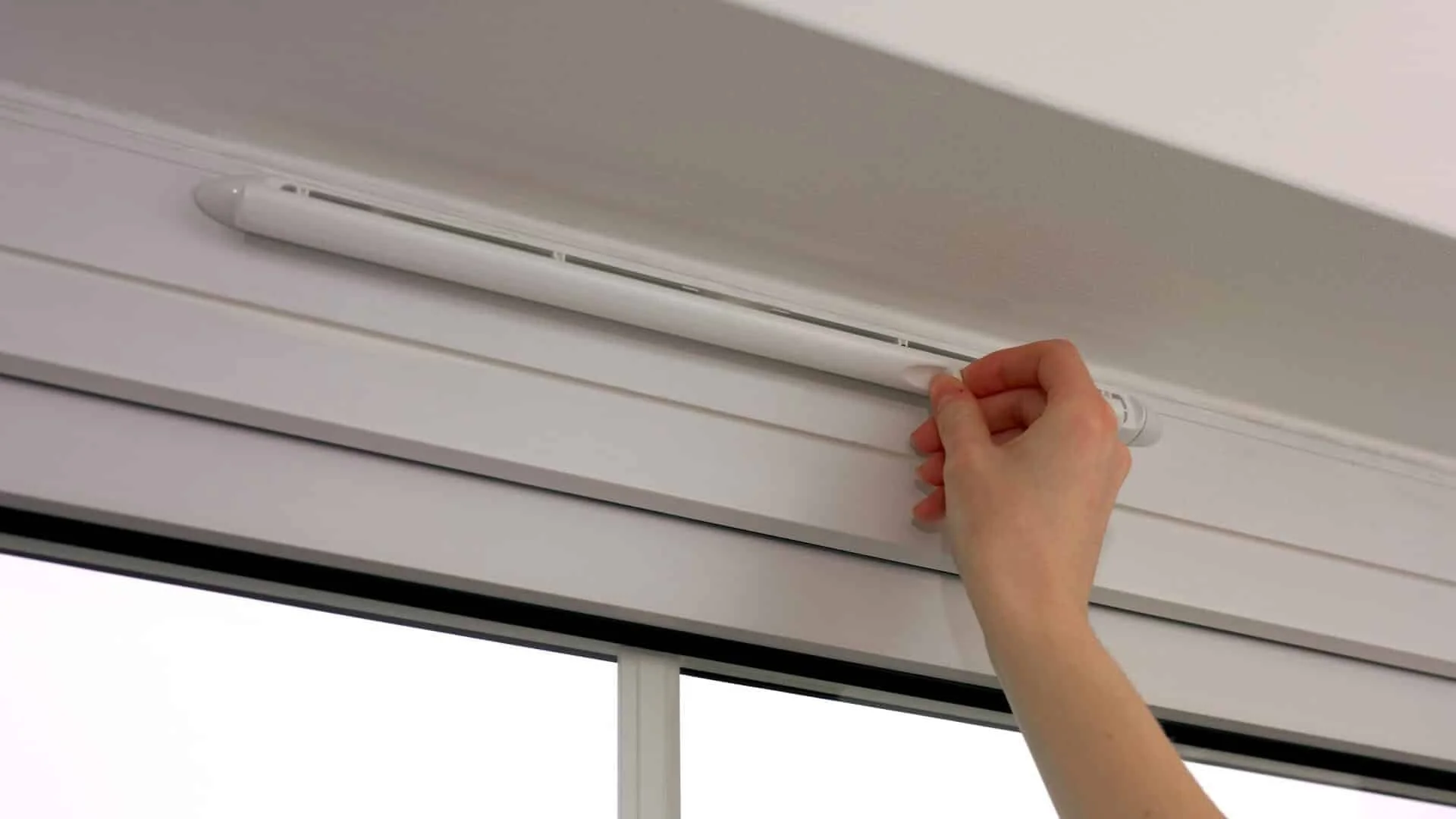
Most homes rely on trickle vents and extract fans, but in practice these often don’t work as well as we’d hope.
Here’s why:
Extract fans can pull air from nearby draughts rather than from the rest of the house.
Trickle vents may overventilate on a windy day and under ventilate on a still day.
They don’t adapt to: How many people are in the home, What activities are happening (cooking, showering, drying clothes)
So the system doesn't always work as coordinated whole.
Making standard ventilation work better
The challenge is to help supply air and extract air work together to create good indoor air quality. Practical improvements using low-cost measures
In kitchens and bathrooms (air flowing out):
Install moisture-sensitive extract fans that always run at a low level and increase extraction when humidity rises
Reduce draughts in these rooms so air is pulled from the rest of the house, not straight from outside
Avoid leaving bathroom windows open when an extract fan is running—you want air moving through the home, not bypassing it
In living rooms and bedrooms (air flowing in):
Keep trickle vents open
Consider upgrading to moisture-sensitive wall vents if you are in a windy location
Opening bedroom windows or leaving ajar when sleeping.
Even better, if possible…
Air quality isn’t just about moisture. CO₂ and other pollutants also affect health and comfort.
Whole-house ducted systems like MVHR provide excellent ventilation, filter some pollutants and allergens, and retain heat. However, they are more expensive and disruptive to install, making them best suited to new builds or major renovations.

The simplest, most effective habit: Your Daily Breeze Blast
For homes without a specialist ventilation system, one simple habit makes a huge difference: Open all windows for a 5-minute morning Breeze Blast
This short, powerful ventilation:
Fully replaces stale indoor air with fresh air
Removes excess moisture and pollutants
Does not make the house cold
Why? Because only the air changes. The walls, floors and furniture stay warm, and they quickly re-warm the fresh air once the windows are closed.
In contrast, leaving windows slightly open all day:
Gradually cools the building fabric
Fails to properly refresh the air
A short, intentional Breeze Blast is far more effective—and more comfortable.